Vietnam,
a cultural journey
The Blank Slate:
Finding My Path and My People in Vietnam
My fascination with cultural difference didn’t start in a university lecture hall; it began in the late 90s, in my small hometown. I remember seeing someone different from me for the first time, and instead of fear or indifference, I felt an intense, undeniable curiosity. It was a spark that lived inside me for decades, eventually driving me to study International Business and center my dissertation on the very thing that has always moved me: the bridge between people.By last November, that academic passion felt like it was slipping away. Graduating university brought a crushing reality, the struggle to find my place, the fear that my dreams were foolish, and the creeping dread of a "rusty brain." I am currently working full-time in a sector I tried to leave behind, a routine that can be draining and isolating. I needed a reset. I needed to be a "blank slate" again. That is what brought me to Vietnam.

global bonding

PRE DEPARTURE
Preparing for the Journey
I discovered this opportunity through my University. I was specifically drawn to the British University Vietnam (BUV) Culture Immersion Programme and their 'Vietnam Cultural Heritage & Sustainable Tourism' project. After researching the agenda, which promised workshops on sustainability and a design thinking hackathon, I knew this was the structured, impactful environment I needed to move beyond theory. The Turing Scheme made this possible. The application process was remarkably smooth; I felt fully supported throughout, with clear answers to every question (thanks Elaine). Without this funding, this experience would have been impossible. As a graduate who didn't do a placement during my degree, the Turing Scheme bridged the gap between my academic background and this professional opportunity, giving me the structure and networking I couldn't have organized on my own.
Settling In:
A New Perspective
Upon arrival, I felt a mix of nerves and excitement, but very quickly everyday moments in Hanoi, like being filmed on the street, shown on a video call to someone’s family by a stranger, or complimented on my traditional outfit by people passing on motorbikes, felt normal and good. I always felt safe there in a way I never would walking alone at night in London.
Curiously, the sheer adrenaline and excitement of finally being there completely cancelled out my jet lag, leaving me with no ill effects at all. We stayed in a hotel, which provided a different experience than my accommodation in the UK, making the immersion into the city feel more immediate.
Culturally and environmentally, Vietnam was a shift. Daily life here operates on a different rhythm, one that is far more communal than the individualistic culture I am used to in the UK. I found myself challenged by these differences, but also deeply excited by them.

The Hackathon:
Diversity as a Catalyst


My traineeship at the British University Vietnam (BUV) was not merely a trip; it was a professional intervention. The centerpiece of this experience was the "Vietnam Cultural Heritage & Sustainable Tourism" project, which culminated in a high-stakes Design Thinking Hackathon.
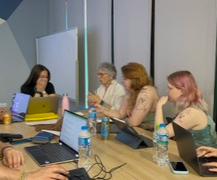
This was my first experience facing a strictly time-restrained, high-pressure project. From the moment the brief was handed to us, the clock became our most challenging collaborator. I was placed into a group of complete strangers, people with vastly different academic backgrounds, cultural upbringings, and professional styles. In an international business context, such diversity is often touted as an asset, but in practice, it is a crucible.
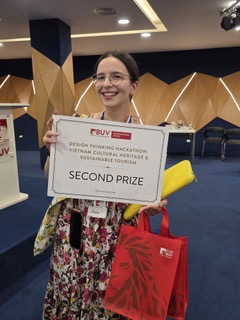
We didn’t just work together; we had to rapidly synthesize our clashing worldviews into a singular, cohesive narrative before time ran out. Our project, Viet Ventures, was born from our shared commitment to solve the "once in a lifetime" travel mentality. Winning second place was a point of immense pride for me, as it proved that our team could translate complex, multicultural brainstorming into a viable business case.
However, the most jarring and valuable moment of the experience occurred during our presentation. A misplaced unicorn graphic taught me my most valuable business lesson: innovation without cultural context is a failure. In a global market, respecting local nuance isn’t a design detail, it’s a mark of respect and the foundation of cultural intelligence. No matter how brilliant the tech or execution, success requires doing the work to truly understand your audience.

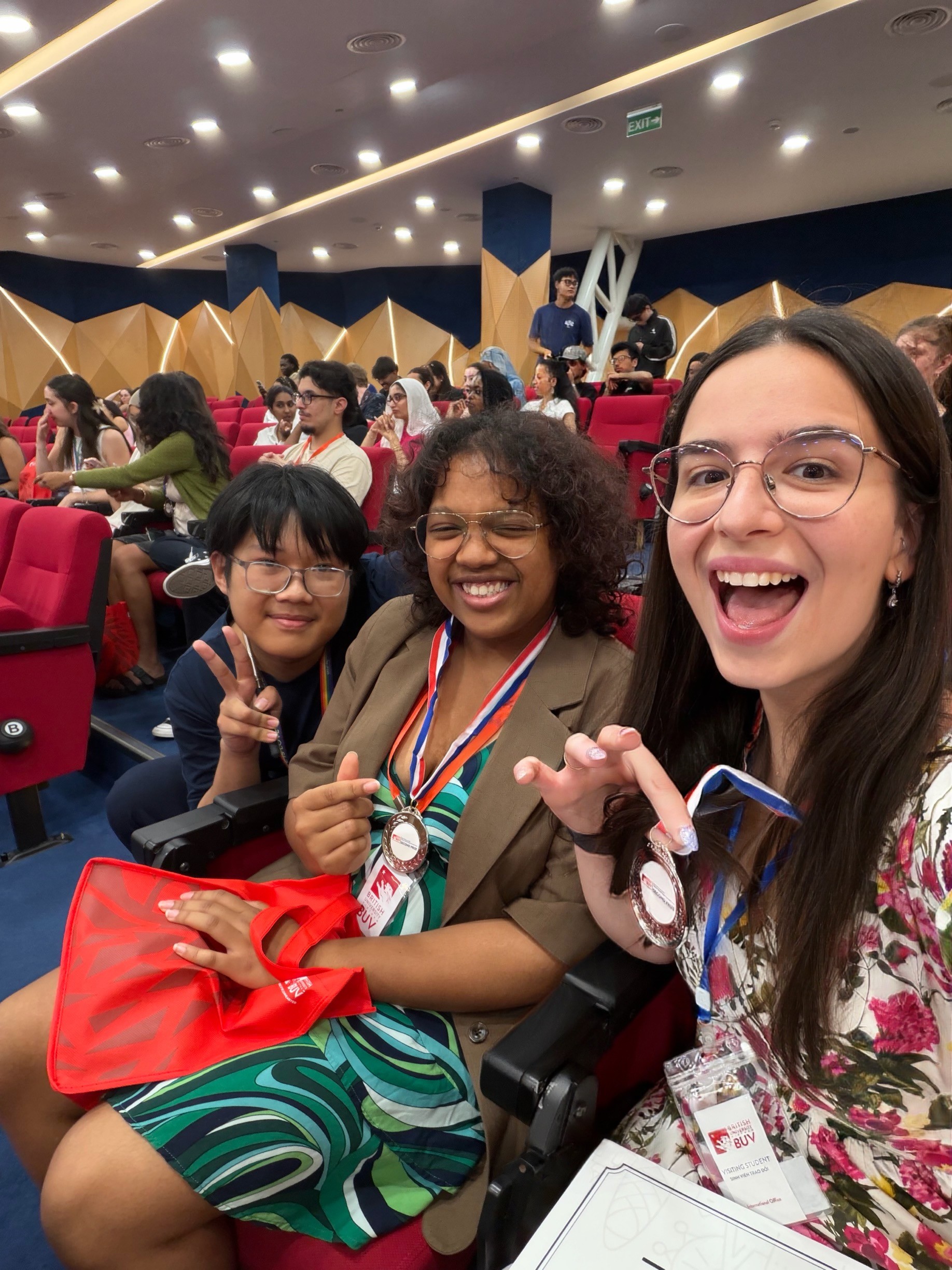
Group photo at the ceremony of completion of the programme (BUV)
The Human Experience
Who Was Really Honored?
Vietnam became a masterclass in what it means to truly “be there.” I wasn't just observing; I was participating. We cleaned beaches together as a community, with locals working right alongside us. When students from the local university invited me to discover the hidden gems of Hanoi, leading me to their favorite spots to eat and spend time, from the neon glow of photo booths to the joyful noise of karaoke, they weren't just showing me a city; they were offering me the most precious gift they had: their time.
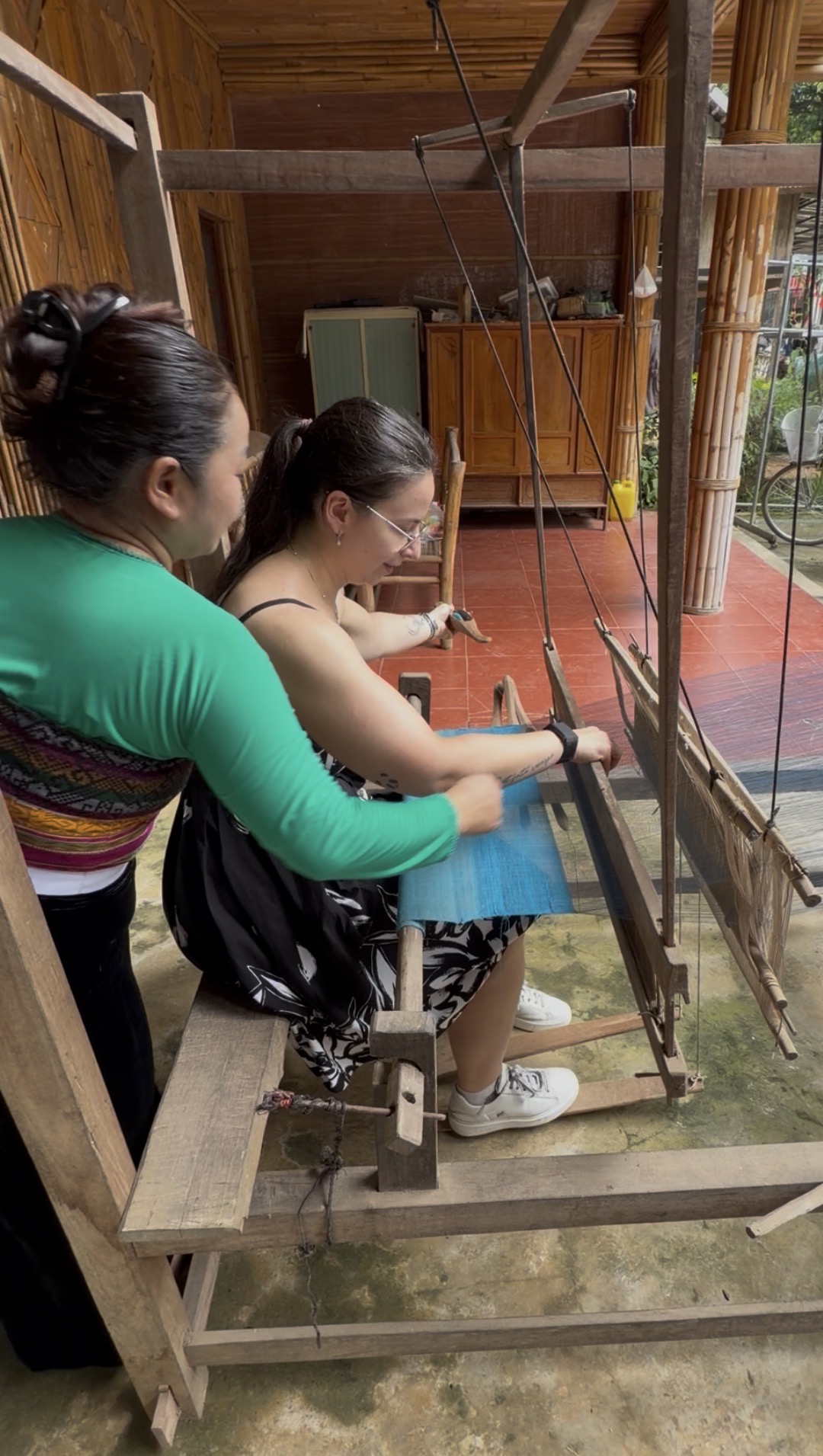
Representing both the UK and Italy, I felt a unique responsibility to be open. I saw a clear divide in my cohort: some were there to tick boxes and “complete” the trip, while others, those who saw the people rather than just the goal, were the ones who truly lived the experience. This was most evident with the artisans. Whether it was the hairdresser who welcomed me with the charisma of an Asian Elvis Presley, or the women in the ethnic villages who taught us to prepare food, the experience was profound. They often told us they were “honored” by our presence. But as we exchanged silent, powerful hugs and shared those meals, I knew the truth: I was the one who was being honored.

Vietnam's smiles


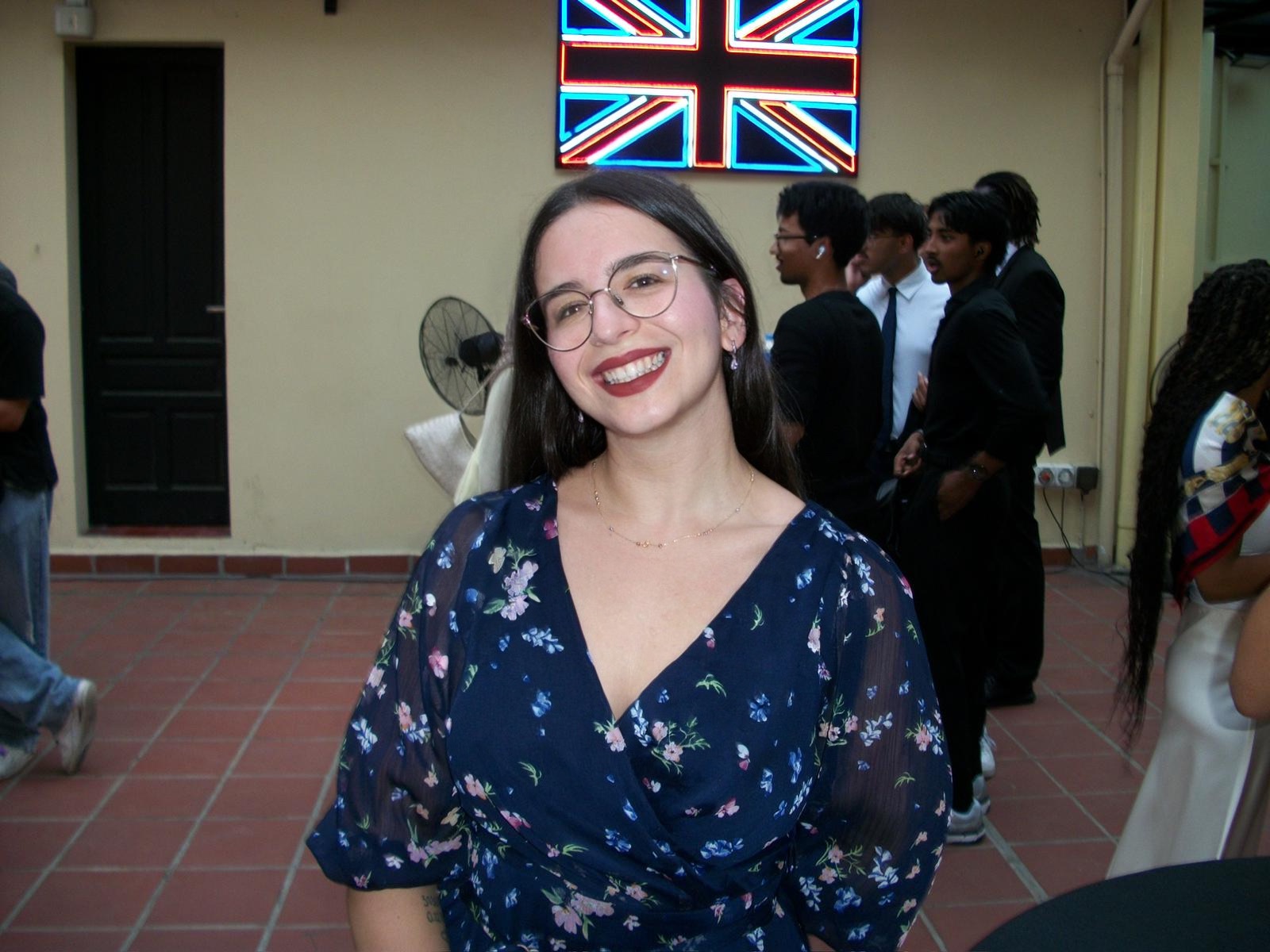
Myself at the FPT Software headquarters in Hanoi.
A Different Way of Working
Work Culture Immersion
The traineeship setting was a stark departure from the corporate norms I knew in the UK. I encountered a vibrant office culture that prioritized 'nap culture,' holistic employee wellness, and on-site childcare. While British workplaces tend toward individualism, the Vietnamese model is anchored in communal strength and a shared purpose.
Personally, I found that I would feel significantly more committed to a workplace that prioritizes my well-being so deeply; as a natural chain reaction, I would be driven to work harder and more effectively. I was particularly impressed by their exceptionally high retention rates and low staff turnover compared to the UK. It clearly demonstrated just how deeply people wanted to stay and grow within that kind of supportive workplace. Witnessing this collective drive has permanently redefined my vision of a thriving professional landscape.
Leadership & Vision
Leadership: The Path Forward
I am back in the daily grind, but the "rusty brain" I feared is gone, replaced by the clarity that my dream is not only alive but necessary. I am no longer just a graduate looking for a job; I am a collaborator who understands that business is a human experience first. My work in that sector is just a bridge, not the destination. I continue to fight for my dream because I now know what I have to offer: the ability to see the people, to respect the detail, and to show up with an open heart. Cam on, Vietnam. A special thanks to Bournemouth University for bringing this adventure to my attention, to Miss Mie and Miss Ohan for their patience and dedication, and finally to BUV for hosting all of us. Vietnam began as a blank slate, but it didn’t stay empty for long. It filled up with faces, stories and ways of working that now guide how I want to lead and show up in any team.